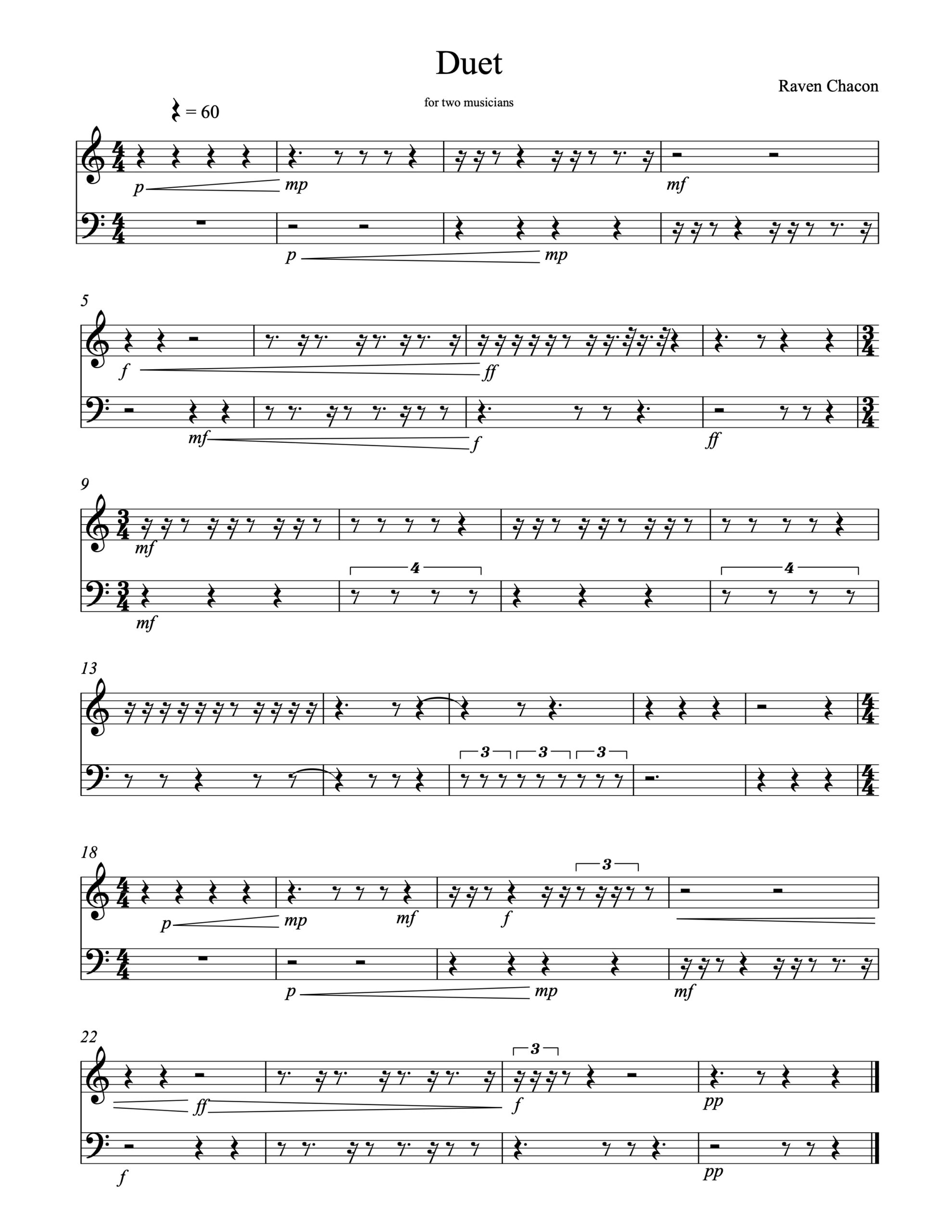
I am proud to announce the publication of my article “The Soundscape of Nothing: Raven Chacon’s Silence Against Settler Colonialism” in the most recent issue (Vol 4. No. 2) of Sound Stage Screen.
Sound Stage Screen (SSS) is an open access, biannual peer-reviewed journal devoted to historical and theoretical research into the relations between sound, performance, and media. This special issue edited by Andy Graydon features writing by an amazing group of people exploring what Graydon calls the “inter-ness of sound”. Several contributions, including my own, explore silence and the legacy of John Cage through examinations of sound art, inter-species listening, mobile technologies, wind tunnel architectures, coastal geology, film captioning, colonial landscape photography and silence in music composition.
This article was developed from an essay I had originally produced as part of the series exhibitions and events under the umbrella Landscape & Life at Indexical. Thanks to Andrew Smith for his support of that writing. Thanks as well to Andy Graydon and the anonymous reviewers who gave crucial feedback.
Raven Chacon’s 2022 Pulitzer Prize winning composition Voiceless Mass is only one of many works he has created to engage with cultural and political conceptions of silence. Far from denoting a lack of sound, silence in Chacon’s work often is full of noise that requires different forms of listening. In what follows I argue that Chacon’s use of silence is a direct challenge to the visual and sonic legacy of European landscape art and to a terra nullian ontology that perceives land as empty. In doing so Chacon’s work aligns with a resurgence of Indigenous resistance to settler colonialism and its extractive logics that reached a climax with the resistance to pipeline construction at Standing Rock. By listening to Chacon’s works that engage in silence we can hear a theory of relationship to the land that insists on its sacred fullness of life.

 Diadem Discos & Library